
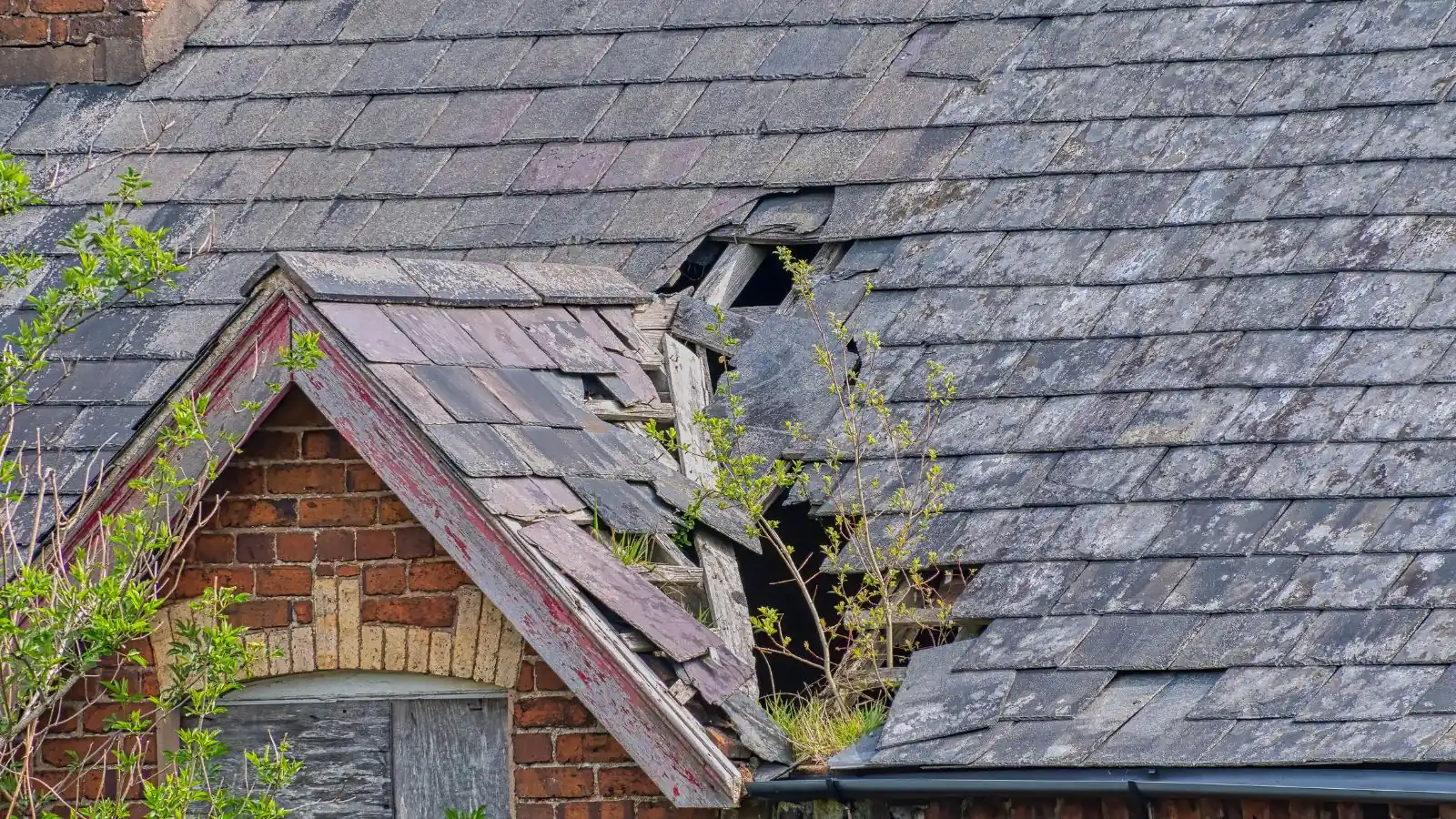
Storm season brings heavy rain, wind and in some years flooding. Preparing a home does not stop every loss, but it can reduce the chance of water getting in. Most of these checks are simple and take an afternoon.
This guide is general. Check your own property, your insurance and local alerts.
Roof and attic
- Look for missing, lifted or cracked shingles from the ground.
- Check flashing around chimneys, vents and skylights.
- Look in the attic for stains, damp insulation or daylight.
- Make sure attic vents are clear.
- Call a roofer for anything you cannot judge safely.
Gutters and drainage
Clear gutters and downspouts, and make sure downspouts discharge several feet from the foundation. Water that pools against a foundation finds its way into crawl spaces and basements.
Check the grade around the house. Soil should slope away from the walls. Fill low spots near the foundation. See basement cleanup and crawl space damage for what happens when drainage fails.
Windows, doors and walls
Check caulk around windows and doors. Look for gaps at the bottom of exterior doors. Seal cracks in siding and masonry where water can enter.
After a storm, look for wet spots on interior walls near windows. A small leak behind a wall can run for days before it shows.
Sump pump and backup
| Item | Check |
|---|---|
| Sump pump | Pour water in the pit and confirm it runs |
| Discharge line | Make sure it drains away from the house |
| Battery backup | Test it and replace old batteries |
| Floor drains | Clear debris and test flow |
| Water heater | Raise off floor if in a basement |
| Valuables | Store above floor level |
Insurance and records
Review your policy. Flooding is not typically covered under most homeowners policies according to the Alabama Department of Insurance, so check whether you have flood coverage and when it would take effect. NFIP policies commonly have a 30-day waiting period.
Take photos or video of each room and your belongings now. A dated record makes a claim easier.
A plan for when water gets in
- Know where your main water shutoff and electrical panel are.
- Keep a flashlight and charged phone.
- Save our number: (256) 667-9078.
- Know your route to higher ground.
- Keep copies of insurance papers in a waterproof bag.
- Do not walk through flood water.
Trees, yards and outdoor items
Trim limbs that hang over the roof. Heavy branches tear shingles and puncture roofs. Remove dead trees near the house, and clear leaves from drains and window wells.
Store loose items such as furniture, grills and planters. Wind turns them into projectiles. Check fences and gates, since fallen fences can block drainage.
Inside the house
- Know where the main water shutoff is and test it.
- Check the attic after every major storm.
- Keep towels, buckets and a wet vacuum where you can reach them.
- Move valuables off the floor in basements and garages.
- Charge phones and flashlights before a storm.
- Keep documents in a waterproof bag.
After the storm
Walk the outside first. Look for missing shingles, downed lines, damaged gutters and pooling near the foundation. Stay away from downed lines. Inside, check ceilings, window corners and exterior walls for stains.
If you find water, photograph it, stop the source if safe and call your insurer and a restoration company. Early drying reduces damage.
Check your sump pump and drains once a year
A sump pump that has sat idle for months can fail on the first big rain. Test it each spring and fall, listen for odd noises and make sure the float moves freely. Also clear exterior drains and window wells, because a clogged drain turns a normal rain into basement water.
Make a one-page plan
Write down the shutoff locations, your insurance contact, our number and a safe place to meet. Tape a copy near the fuse box and keep one in your phone.
A plan sounds small. In a stressful moment, a written list keeps everyone calm and saves time.
Garage and outbuildings
Do not forget detached garages, sheds and workshops. Store valuables on shelves, not the floor, and seal gaps under doors. Water that enters an outbuilding often goes unnoticed until days later.
What Decatur homeowners should know
The National Weather Service tracks the Tennessee River at a gauge in Decatur, and its flood stages begin at 9 feet for minor flooding. Point Mallard Campground begins backwater evacuations at around 9 to 10 feet. Watch forecasts when heavy rain falls upstream, since the river responds to rain across the valley.
Hilltop areas such as Trinity face wind and roof leaks more than river flooding, while low ground near Somerville drains differently. The City of Decatur Building Department can tell you whether your lot is in a floodplain. Our storm water damage cleanup page covers what we do after a storm.
Decatur questions answered
How do I prepare my home for heavy rain?
Clear gutters, extend downspouts, check the roof and flashing, seal gaps and test the sump pump if you have one.
Does homeowners insurance cover storm flooding?
Usually not. Flood coverage is bought separately and often has a 30-day waiting period.
When does the Tennessee River flood in Decatur?
The National Weather Service lists a minor flood stage of 9 feet at the Decatur gauge.
What should I do first after water gets in?
Stay safe, shut off water or power if safe, photograph the damage and call a professional.
Should I check my attic after a storm?
Yes. Look for stains, damp insulation and daylight that suggest a roof leak.