
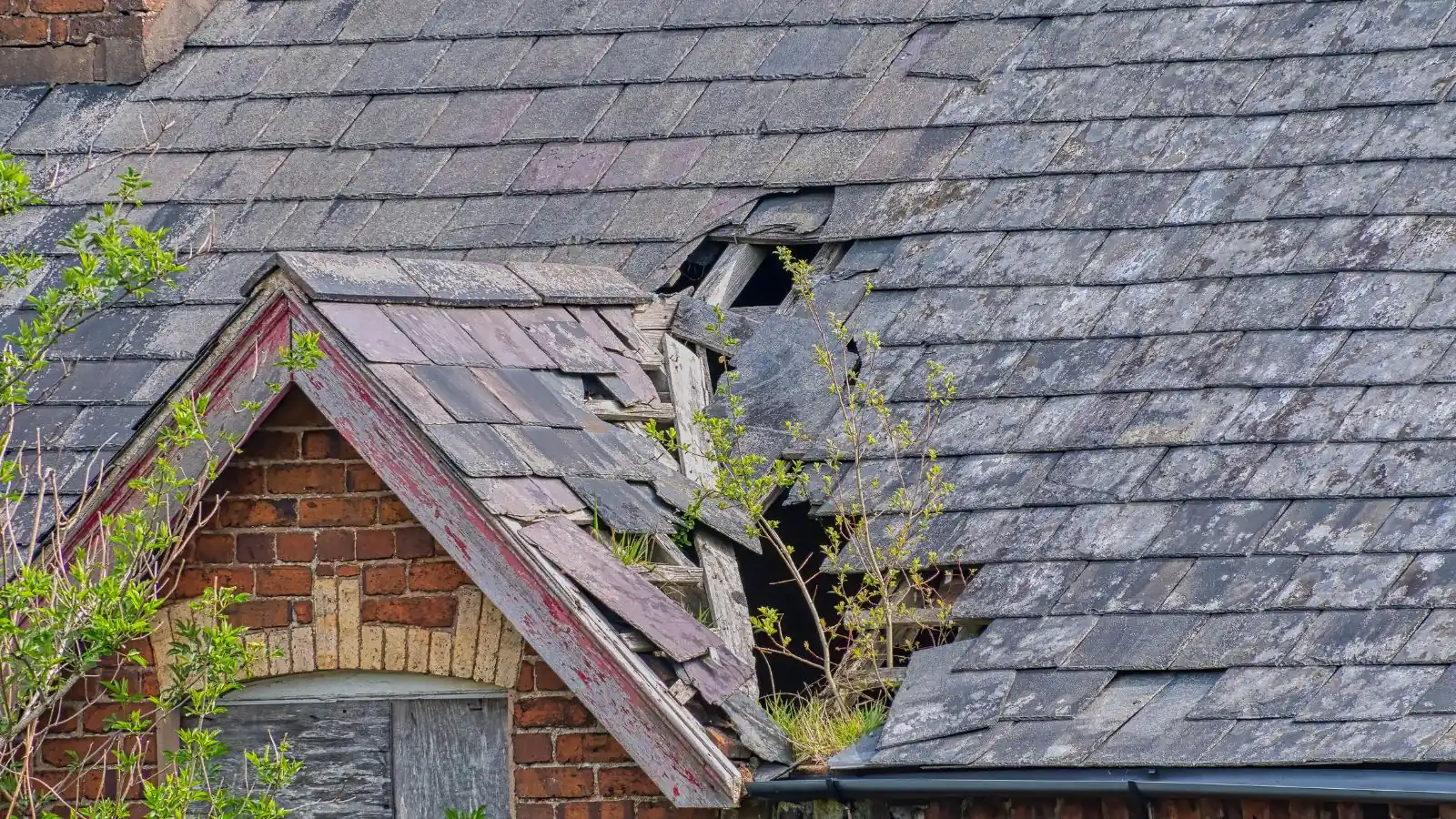
Storm water damage cleanup in Decatur covers water that enters through damaged roofs, windows, siding and doors during severe weather. The Tennessee Valley sees storms that bring high wind, hail and heavy rain, and even a small opening lets in a lot of water. Our line is answered 24/7, and we respond on the same day if a crew is free.
Rising water is a different problem, and it is on the flood damage page. A roof opening that leaves a ceiling stained is also covered under ceiling water damage repair.
After the storm: when water is an emergency
Wait until the storm has passed and the area is safe before you inspect. Watch for downed lines, broken glass, unstable ceilings and standing water near electrical equipment.
Stay clear of power lines
Treat every downed line as live and call 911 or the utility. Do not enter water that touches one.
Cover the opening
A tarp over a roof hole or plywood over a window limits more rain. Only do this if it is safe and stable.
Move belongings
Move furniture and valuables out of wet areas and away from sagging ceilings.
Photograph everything
Record damage to the roof, siding, windows and interior before repairs.
Water came in with the storm?
Call and tell us where it entered.
How storms let water in
Wind lifts shingles and flashing, and driven rain goes up and under. Hail cracks roofing and breaks skylights and windows. Falling limbs puncture roofs and siding. The water that enters runs into attics and wall cavities and shows up on ceilings, walls and floors.
The visible hole is only the start. Wind-driven water can soak insulation and framing for several feet from where it came in. We use moisture meters and thermal imaging to find where it went.
What we do and what a roofer does
We remove standing water, take out wet insulation and drywall as required and dry the structure with air movers and LGR dehumidifiers. We can often help with temporary protection, and we coordinate with a roofing contractor who handles the permanent repair.
A licensed roofer and a restoration crew do different jobs, and both are needed after serious storm damage. If the home has a wet carpet, our page on carpet water damage restoration explains how that is handled.
Insurance and storm damage
Wind and hail damage are covered under many homeowners policies, but some have separate wind or hail deductibles. Flooding is generally excluded, so flood coverage is a separate purchase. Ask your insurer how your policy treats it.
Photograph all damage before temporary repairs and keep receipts for tarps and boards. We provide a written scope for the interior damage.
What affects the cost
Size of the opening
A few shingles is smaller than a collapsed section of roof.
Rain duration after the damage
More rain means more wet material.
Interior materials
Ceilings, insulation, flooring and furnishings.
Temporary protection
Tarping and boarding are separate steps.
Drying time
Several days of equipment is common.
Every storm water damage job is different. Talk it through at (256) 667-9078 and the scope and price come before any work.
Runoff and drainage in Decatur
Decatur sits on Wheeler Lake along the Tennessee River, with Flint Creek and Dry Branch as named tributaries. The northern part of the city is on a short hill that drops to the river at Rhodes Ferry Park, and the ground south of the 14th Street and Magnolia Street area is flat.
During a heavy rain, runoff on sloped lots moves toward lower ground, and flat areas hold water longer. If your yard slopes toward the house, tell us and a contractor, since it affects what repairs will last. Morgan County Emergency Management works with the National Weather Service on local flood alerts.
Storm Water Damage questions answered
Do you handle storm damage emergencies at night or on weekends in Decatur?
Yes. Our line is answered 24/7. After a major storm, many homes need help at once, and we will tell you plainly about any wait.
Do you repair roofs?
No. A roofing contractor repairs roofs. We dry and repair the interior and can help coordinate temporary protection.
Is storm damage covered by homeowners insurance?
Wind and hail damage are often covered, sometimes with a separate deductible. Flooding is usually not. Read your policy or ask your insurer.
Should I tarp the roof myself?
Only if it is safe. Stay off wet or damaged roofs and do not work near power lines. A roofer or restoration crew can do it with proper equipment.
How long after a storm can mold start?
It can begin within about 24 to 48 hours on wet materials. Prompt drying reduces the risk. For health questions, ask your physician.