
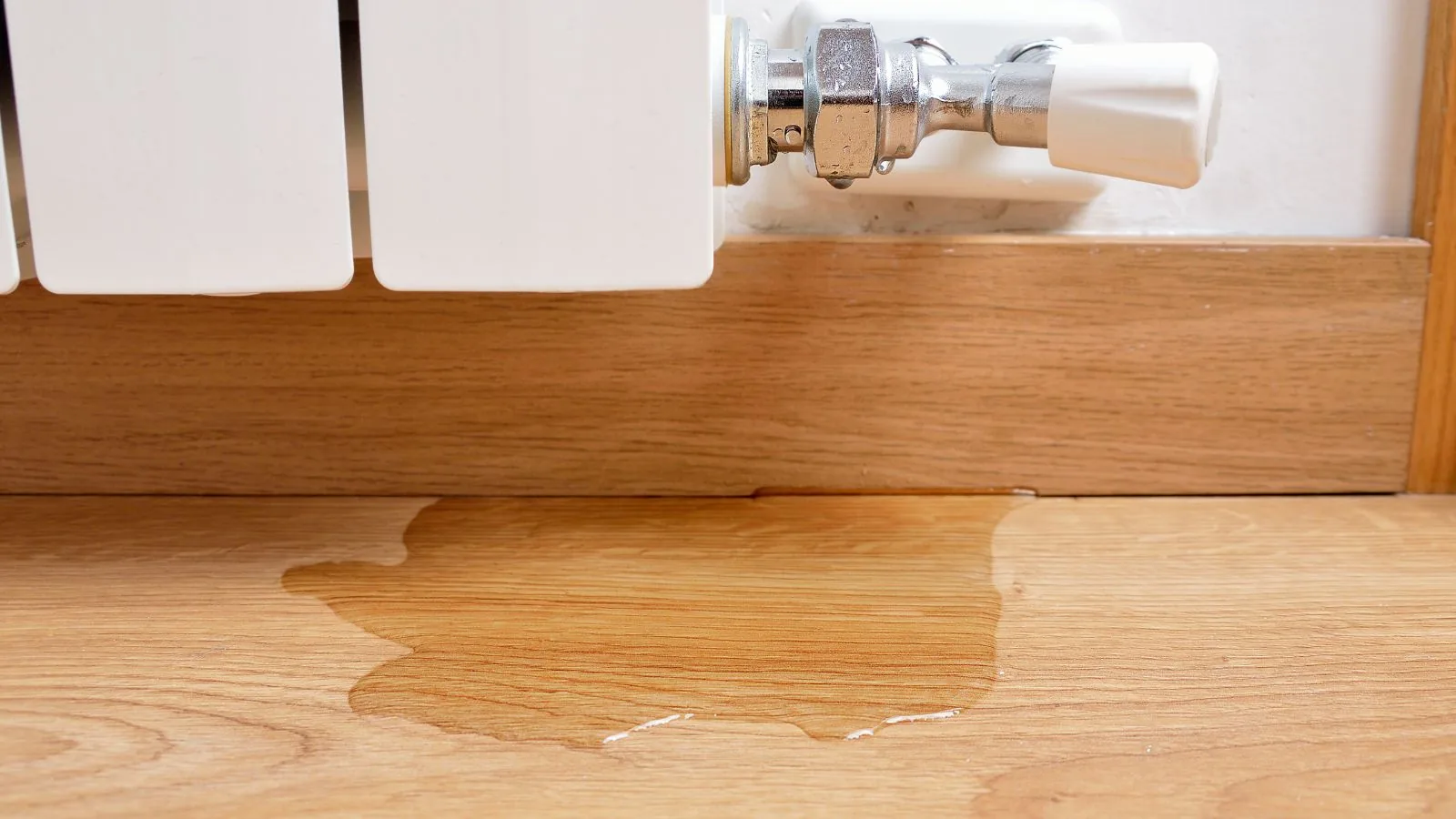
Selling a house with water damage is possible, and many homes are sold after a loss. The difference between a smooth sale and a stalled one is usually the paper trail. Buyers and inspectors want to know what happened, what was done and whether the problem is gone.
We are not real estate or legal advisors. Talk to your agent or attorney about disclosure rules. This guide covers the practical side.
Dry it fully before anything else
An inspector with a moisture meter will find damp materials. Dry, documented repairs are better than hidden ones. If drywall or flooring was wet, it should be dried or replaced and verified with readings.
Do not paint over a stain to hide it. Staining returns if the material is still damp, and a buyer's inspector will probably find it anyway.
Keep a file
| Document | Why it helps |
|---|---|
| Photos before and after | Show the extent and the repair |
| Plumber or repair invoice | Shows the cause was fixed |
| Moisture readings and drying log | Show the structure was dried |
| Rebuild invoices | Show materials replaced |
| Permits and inspection sign-offs | Show work was approved |
| Insurance claim records | Show the loss and the payout |
Disclosure
Many sellers must disclose known material defects. The rules depend on the state and on the type of sale, and a real estate attorney can say what applies to yours. Hiding a known problem is riskier than documenting it.
A short, factual summary of what happened, when and how it was fixed is easier for a buyer to accept than silence. Your agent can help you phrase it.
Repair or sell as is
Some owners repair fully and list at a normal price. Others sell as is with a price adjustment. The right choice depends on the extent of damage, the market and how fast you need to sell.
A written scope and a few contractor quotes help you compare. If you sell as is, buyers may bring their own inspectors and ask for credits, so records still matter.
Hidden problems buyers look for
- Stains on ceilings and walls, especially near plumbing.
- Musty smells in bathrooms, basements and crawl spaces.
- Warped flooring or soft subfloor.
- Rust at pipe joints and water heater bases.
- Unpermitted repairs.
- Signs of past flooding in basements or garages.
Working with your agent and buyers
Tell your listing agent about past water damage early. A buyer who hears it from you, with records, is less alarmed than one who finds it during inspection. Ask your agent how to word it in the listing and in disclosure forms.
Be ready for requests. Buyers may ask for a repair credit, a re-inspection or a price change. Records let you answer with facts.
Should you repair before listing?
| Choice | Upside | Trade-off |
|---|---|---|
| Repair fully first | Cleaner inspection, wider buyer pool | Cost and time up front |
| Repair the cause and dry, leave finishes | Lower cost, problem solved | Cosmetic damage may still show |
| Sell as is | Fast, no repair cost | Lower offers and fewer buyers |
Mold and odor concerns
Buyers worry about mold. We do not offer mold services, but dry materials and a clean moisture record help show the problem is over. If you suspect mold, ask a qualified professional to look at it and keep the report.
A lingering musty smell is a red flag for buyers. If you smell it, find the wet material. Air fresheners do not fix damp drywall or insulation.
Keep the story simple and factual
A good summary names the date, the cause, the repair and the proof. Skip guesses and opinions. If the buyer asks for more, hand over the file.
Honest records beat vague reassurance. They also protect you if a question comes up after the sale.
When the buyer is also an investor
Investors often buy as is and price in the repair. They still want to know the cause and the scope. A clear file speeds the sale even when the buyer plans to gut the room.
Timing the repair
Finish drying and repairs before photos and showings. A staged, dry room tells a better story than a half-finished repair, and it keeps inspection findings simple.
What Decatur homeowners should know
Check whether your property is in a flood zone using the FEMA Flood Map Service Center. The City of Decatur Building Department enforces floodplain management regulations, and buyers may ask about your flood history and insurance. The Alabama Department of Insurance notes that flooding is not typically covered by homeowners policies.
Older homes in the Old Decatur historic district may have additional questions about plumbing, framing and past repairs. If you own near Trinity or Tanner, expect similar questions about foundations and drainage. Our basement water damage cleanup page covers below-grade moisture.
Decatur questions answered
Can I sell a house with water damage?
Yes. Dry it, repair it and document it, or sell as is with a price adjustment. Records make a sale smoother.
Do I have to disclose past water damage?
Disclosure rules depend on the state and the sale. A real estate attorney or agent can say what applies.
Should I paint over a water stain before listing?
No. The material may still be damp, and an inspector will probably find it. Dry and verify first.
What records should I keep?
Photos, invoices, moisture logs, permits and insurance records.
How does a buyer's inspector find old leaks?
With a moisture meter, thermal camera and visual checks of stains, smells and soft materials.